Any individual may have their own individual rationale when it comes to Leaky Faucets: Why They Happen & What to Do About Them.

Dripping faucets may seem like a minor trouble, but their effect surpasses just the nuisance of the audio. From wasting water to sustaining unneeded economic prices and health risks, neglecting a dripping tap can lead to numerous effects. In this article, we'll delve into why it's important to resolve this common home concern without delay and efficiently.
Wastage of Water
Environmental Impact
Leaking taps contribute significantly to water waste. According to the Environmental Protection Agency (EPA), a single tap dripping at one drip per second can throw away greater than 3,000 gallons of water per year. This not only pressures water sources yet additionally influences communities and wild animals based on them.
Step-by-Step Guide to Repairing a Dripping Faucet
Devices Needed
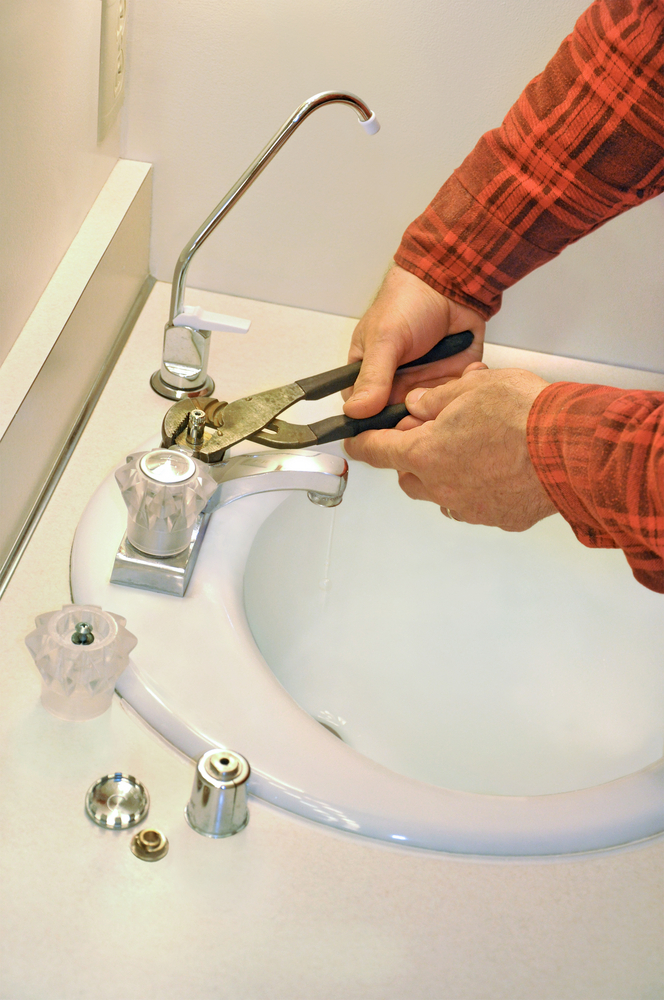
Prior to attempting to fix a dripping faucet, collect the needed tools, including a flexible wrench, screwdrivers, replacement components (such as washers or cartridges), and plumber's tape.
Common Faucet Issues and Their Solutions
Identify the sort of tap and the details problem creating the drip. Usual issues include damaged washing machines, corroded valve seats, or faulty O-rings. Describe supplier guidelines or online tutorials for step-by-step advice on repair work.
Financial Prices
Increased Water Bills
Past the environmental influence, dripping taps can inflate water bills substantially. The built up waste with time translates into higher energy expenses, which can have been avoided with prompt fixings.
Prospective Building Damages
In addition, long term trickling can cause damage to fixtures and surfaces surrounding the tap. Water buildup can create discoloration, rust, and also architectural issues if left neglected, causing additional fixing costs.
Health and wellness Concerns
Mold And Mildew and Mildew Development
The constant presence of dampness from a leaking tap creates an excellent atmosphere for mold and mildew growth. These fungis not only endanger indoor air high quality however also position health and wellness risks, especially for people with respiratory system conditions or allergies.
Waterborne Conditions
Stationary water in leaking taps can come to be a breeding place for germs and other pathogens, raising the danger of waterborne diseases. Pollutants such as Legionella microorganisms grow in stationary water, possibly bring about major health problems when consumed or inhaled.
DIY vs. Professional Fixing
Advantages and disadvantages of DIY Repair Service
While some may attempt to fix a trickling faucet themselves, DIY fixings include their very own collection of obstacles. Without proper understanding and devices, do it yourself efforts can intensify the problem or bring about incomplete repair work, extending the issue.
Benefits of Employing a Professional Plumber
Hiring an expert plumber makes certain that the underlying source of the dripping faucet is attended to effectively. Plumbing professionals have the know-how and tools to detect and fix faucet problems effectively, conserving time and minimizing the risk of further damage.
Environmental Responsibility
Private Payment to Conservation
Taking obligation for fixing leaking taps lines up with broader efforts toward water conservation and ecological sustainability. Every person's activities jointly make a considerable influence on protecting precious resources.
Lasting Living Practices
By prioritizing prompt fixings and embracing water-saving behaviors, individuals add to lasting living techniques that benefit both existing and future generations.
Safety nets
Regular Upkeep Tips
To avoid trickling taps, do regular maintenance such as cleaning up aerators, examining for leakages, and replacing damaged parts without delay. In addition, think about mounting water-saving gadgets or upgrading to a lot more reliable components.
Importance of Prompt Repair Works
Attending to trickling taps as quickly as they're seen prevents more water wastefulness and prospective damage, eventually saving both water and cash in the future.
Influence On Home Value
Perception of Well-Maintained Building
Keeping a residential or commercial property in good condition, including dealing with maintenance problems like trickling faucets, enhances its perceived value and desirability amongst potential purchasers or renters.
Influence on Resale Worth
Features with well-kept plumbing components, including taps, command higher resale values in the real estate market. Resolving leaking faucets can contribute to a positive impact throughout residential property inspections and settlements.
Final thought
Attending to a trickling faucet exceeds mere convenience; it's a necessary step toward saving water, minimizing monetary costs, and securing health and residential property. Whether through do it yourself repair services or expert assistance, acting to fix dripping taps is a small yet impactful means to advertise liable stewardship of resources and add to a much healthier, a lot more lasting future.
Why Are My Faucets Dripping (And Can I Fix it Myself)?
Causes of a Dripping or Leaking Faucet
Whether you’re hearing drops of water falling and hitting a sink, or noticing water ooze out from the base of the spout, you shouldn’t ignore a dripping or leaking faucet. And, the good news is, sometimes you can fix the problem yourself.
In this article, we’ll review a few common causes of dripping and leaky. We’ll also walk you through some basic ways to find the problem and handle it without calling anyone — and let you know when to call in a pro.
But, no matter what the cause, or whether you can handle it on your own, the sooner you address it, the better.
Each drip may be a tiny amount of water. But, they all add up quickly. According to the U.S. Geological Survey, one faucet losing one drop every 20 seconds — five a minute — wastes around a liter of water every day, and 173 gallons a year.
Add in more than one in your house, and it’s a lot of water to waste. So, we’ll help you get to the bottom of things quickly.
Four Reasons Your Faucet May Be Dripping
Aerator is Damaged or Unseated Valve Seat is Corroded O Ring is Loose or Worn Out Part of the Assembly is Loose Aerator is Damaged or Unseated
If you unscrew the end of your faucet, you’ll find the aerator. It’s the little stem piece with a screen on it that shuts off the water circulation.
If it’s damaged, or if it’s not sitting right, it will allow water to pass through.
Valve Seat is Corroded
Next is the valve seat, which is connected to the washer. If the washer wasn’t in place correctly, then it could have ground against the seat. Over time, this damages the valve seat.
The problem could also be corrosion: Over time, the part has worn out, and it’s now allowing water to pass through.
O Ring is Loose or Worn Out
Since the o ring is only a small rubber gasket, it’s a common reason why the faucet is dripping. You’ll find it at the base of the faucet, and it’s there to keep water from coming out where it’s not supposed to.
However, it’s common for the o ring to wear out over time. When it does, you’ll notice a drip.
Part of the Assembly is Loose
So far, we’ve looked at a few small, specific parts. But, the problem could be anywhere in the assembly if something’s out of place.
Even if a part isn’t damaged, over time, it may have become loose or dislodged. It could be the parts we mentioned, or the aerator at the tip of the faucet, the stem itself,
Can I Fix a Leaky Faucet Myself?
Depending on the problem, and how handy you are, there’s a chance you can fix a leaky faucet without calling a professional. But, you do run the risk of making the problem worse.
If it’s a small drip, you can certainly try a few troubleshooting tactics. We’ll walk you through them in a moment.
But, no matter what, your first step should be shutting off the water coming into the faucet. You should find a shutoff valve under the sink on the pipes leading to it. Turn each one clockwise until they close tightly.
Next, make sure you have the right tools for whatever you’re attempting. It’s tempting to make do with what you have. But, you need the right ones for a reason: You’re often dealing with small parts that can break if you handle them carelessly.
If you’re feeling confident, here are some places to start.
Items Near the Tip of the Faucet
A few of the parts we mentioned — particularly the valve seat and washer — are located at the tip of the faucet where the water comes out. They’re easy to access, making it a good place to start.
Check the O Ring
To check the o ring, you’ll need to take off the spout at the base. It’s easiest on kitchen sinks with long spouts, versus the smaller, bulkier base on most bathroom sinks.
Either way, this can be tricky, so do it carefully and don’t force anything. If it’s not coming right off, you’re much better off calling in a pro than possibly breaking something.
For a kitchen sink, there’s usually a nut or coupling assembly at the base of the spout. These often slide off easily without using any tools.
Once you’ve disassembled those parts, gently but forcefully twist off the spout.
Then, you can see the o rings. There should be two of the rubber gaskets on the base. If they look worn or damaged, replace them, and see if that solves the problem.
I found that piece about How to Fix a Dripping or Leaky Faucet when scouting around the search engines. Appreciated our article? Please quickly share it. Help other people discover it. We enjoy reading our article about Water Dripping from Faucet: Why and How to Fix.